
Hey My Lovely Audience
This is Gamora……
Trust is at the heart of any relationship. When it breaks, love feels unstable, and honesty appears distant. I’ve witnessed it, felt it, and helped others overcome it.
But trust can be rebuilt—not overnight, but with time, conversation, and simple, honest deeds that convince both hearts that it is still safe to love.
1. Why do so many couples struggle to communicate clearly?
Because most of us listen for a response rather than understanding. I remember when my partner and I would chat at each other rather than with each other.
One day, I stopped trying to win the argument and began listening – truly listening. That’s when honesty started to grow again.
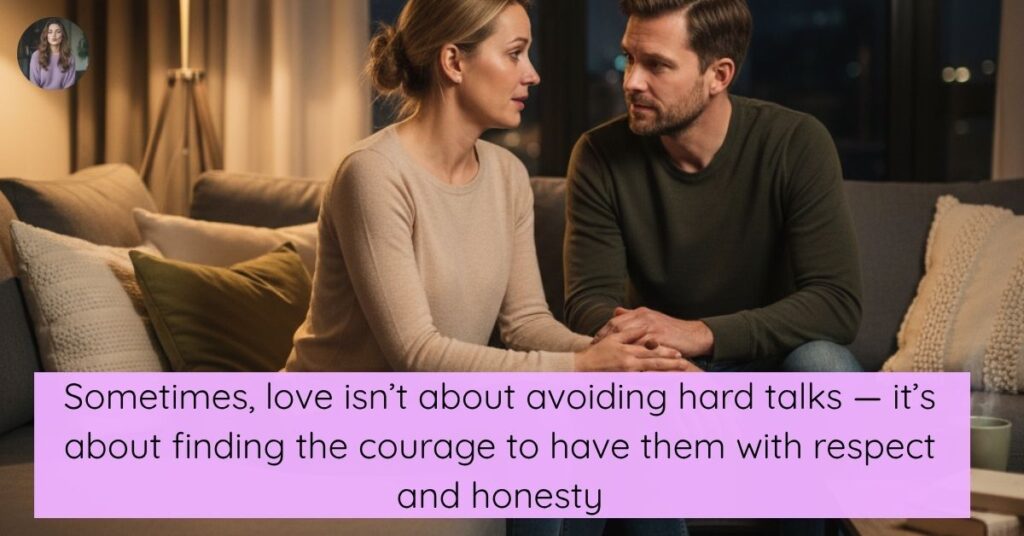
Clear communication is not about having perfect words; it is about true listening, empathy, and choosing peace over pride. When conversation is comfortable, trust develops organically.
2. What are the small habits that quietly build trust every day?
Trust is not formed by great actions; rather, it grows in modest, regular moments. A good morning text, showing up when you said you would, keeping secrets safe—these small things mean more than you realize.
I once dated someone who never violated a commitment, no matter how minor. That taught me that trust is demonstrated, not declared.
Every time you demonstrate dependability, honesty, and respect, you plant a new seed of trust that strengthens your relationship.

3. How can you set boundaries without pushing your partner away?
Boundaries aren’t walls; they’re bridges that protect love. I used to fear setting boundaries, thinking it meant being “too much.”
But once I expressed my needs calmly — like needing quiet time after work — my partner understood me better. Healthy boundaries say, “I value this relationship enough to keep myself honest in it.”
When both people respect limits, love feels freer, not restricted.
4. What’s the healthiest way to handle disagreements or arguments?
Every couple argues, but how they fight determines their destiny. During a heated dispute, I took a pause rather than responding in anger, and it saved us.
Arguing with empathy, utilizing “I feel” expressions instead of blame, then returning to a peaceful conversation rebuilds emotional safety.
The goal is not to win, but to comprehend. Disagreements handled with honesty and care can actually strengthen trust rather than erode it.

5. How do you keep love strong when life gets busy?
Love fades not because we stop caring, but because we stop showing it. I remember a time when both of us were drowning in work.
We started sending short appreciation notes — “I miss your laugh,” “You make my days lighter.” Those little reminders kept our bond alive.
Prioritizing love, even in small ways, keeps the connection warm. Trust grows stronger when effort continues, even in chaos.
6. What are the real signs of a healthy, lasting relationship?
Healthy relationships have a serene, non-chaotic quality. You do not question your honesty, and you feel noticed and safe.
I’ve realized that trust is more than just integrity; it’s also about emotional stability. True love is when you can share your concerns, laugh together, and deal with disagreements without fear of losing each other.
It isn’t perfect, but it is peaceful—and that serenity stems from mutual respect and consistent honesty.
7. How can emotional intimacy be deepened over time?
Emotional intimacy grows in vulnerability. I once told my partner a painful story from my past, expecting distance — but he just held my hand.
That moment changed everything. Deep connection doesn’t come from constant romance; it’s built through shared honesty, listening without judgment, and showing compassion.
When both partners feel safe to be real, trust becomes unshakable.

8. What mistakes do most people make when trying to fix a relationship?
We strive to fix our partners before we fix communication. I did that once, focusing on altering him rather than understanding ourselves.
True healing begins with accepting responsibility for your actions, honestly apologizing, and restoring trust brick by brick. Trust cannot be rushed; it requires time and proof. What’s the biggest mistake?
Expecting things to return to “how they were” rather of evolving into something wiser and stronger.
9. How can you apologize sincerely and rebuild connection?
A real apology is more than simply words; it involves a change in action. I remember apologizing to someone I had wounded by stating, “I was wrong, and I understand how it made you feel.”
That honesty opened a door that we had assumed was closed. Apologies that are rooted in humility rather than guilt help to repair trust.
It isn’t about being perfect; it’s about demonstrating that you care enough to improve.

10. What little things make your partner feel truly loved and appreciated?
Love exists in the details. Holding hands on a walk, remembering their coffee preferences, and saying “thank you” for the little things.
I once left a message that read, “You make me feel safe.” He smiled for days. When love is acknowledged, trust feels safe.
Appreciation transforms regular moments into lifelong memories, which maintain the link gloriously strong.
Conclusion
Rebuilding trust isn’t about perfection — it’s about presence. Every honest word, gentle action, and shared moment matters. Love heals when both hearts choose to try again, with patience and truth guiding the way. Remember, trust isn’t rebuilt overnight — it’s reborn through consistency, care, and the courage to stay open.