
Here I am with one another topics, which may help to answer your question like “How to fix relationship problems?”.
I recall the Sunday afternoon when you dropped the kids off with their grandfather and drove alone home, the stillness in the car thicker than any traffic jam.
You looked at your phone, checked your husband’s position, and noticed his dot parked at a bar.
A knot formed in your chest, since after nearly 20 years together, four children, and several sacrifices, the distance between you had grown to feel not only physical, but also emotional.
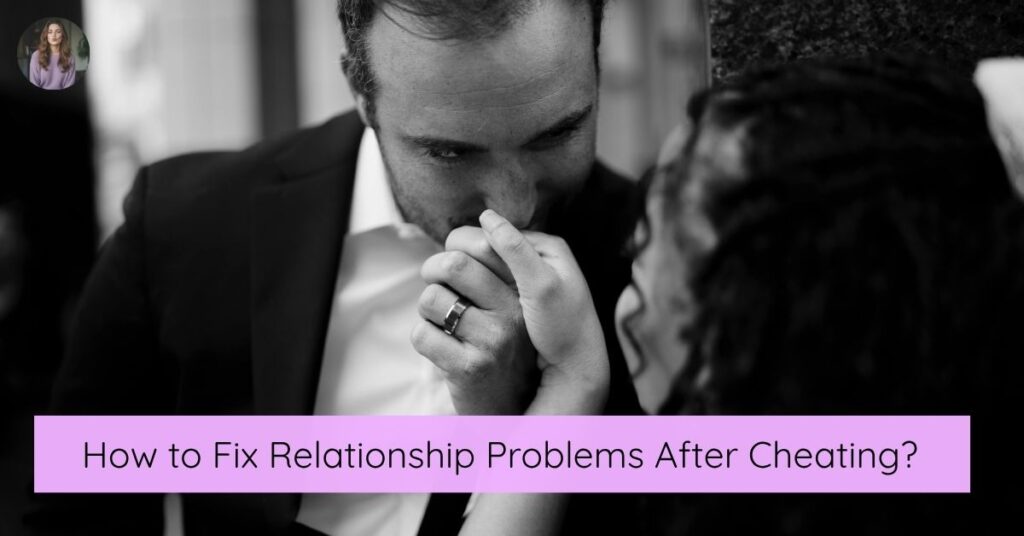
When Trust Starts to Crack
I’m a relationship expert, and I’ve seen your narrative repeated in several versions.
You and your spouse, “Brian,” created a life together, beginning in a big city and moving to a quieter area, handling pregnancies, health crises, professional changes, and now a new dynamic in which he lives away from home.
Everything was for the benefit of your family. But now you’re asking, “Is he cheating?”
Statistics demonstrate that infidelity is more common than most people realize. Worldwide, approximately 20-25% of marriages disclose extramarital relationships.
According to current research from the United States, approximately 20% of men and 13% of women have admitted to infidelity at some point.
Although men continue to report higher rates of infidelity, the difference is narrowing: women’s rates rise as opportunity and independence increase.
Given what you’ve described—his distance, his outings, the Facebook photographs, the missing calls—your fears are justified. While these do not prove infidelity, they are warning signs that something has changed.
====> WATCH A FREE VIDEO TO FIX YOUR PROBLEM
What Your Situation Reveals
Your life stage and circumstances are very important.
You’re both in your 40s, have four children, endured health setbacks (including dangers during delivery and protracted bed rest), and your husband moved to your father’s house for work. Several factors align here:
- Stress and early health crises: You experienced major health issues during and after pregnancy. Major life changes like this might disrupt emotional intimacy.
- Role shifts: You worked from home, handled the house and children while he worked odd jobs, and then he left for a “better job.” This introduces new relationship dynamics.
- Emotional distance with new environment: Him living separately with your father, cutting calls, staying out late, being secretive—it all adds up.
As your relationship expert, I suggest you treat this as a wake-up call—not just to catch him cheating, but to assess the overall health of your relationship.

How to Move Forward with Purpose
Because you’re a woman looking to solve relationship problems, here are actionable steps—with references to how the system I work with can help you:
1. Clarify your emotions.
You feel saddened, horrified, and betrayed. That is absolutely natural. Write down how you’re feeling and why it’s important to you. Naming your pain gives it shape and reduces its spread.
2. Collect facts, not just concerns.
You have already gathered screenshots and seen evidence. That is important. But don’t ruminate on every social media message. Balance is essential. Don’t become a detective who loses her heart in the process.

3. Talk, including organized help.
When you feel at ease, share your concerns with him. Use “I” statements like “I feel disconnected when I don’t hear from you.” Avoid allegation (“You cheated”).
If he goes silent or the talk stalls, it’s time to seek assistance. That’s where a guided method like The Devotion System comes in: it assists women like you who are determined to rebuilding their relationship by providing proven processes, communication strategies, and emotional clarity (which I recommend you try).
4. Re-establish connection and boundaries.
Decide on what your “weekend together at home” or “evening video chat” should be like. Reinforce what you’ve missed: his voice, his presence, and your shared parenting objective. At the same time, demand transparency. “If you’re out late, a quick text helps me feel secure.”

5. Make a decision on what you will and will not accept.
You stated that you refuse to live with disrespect. That’s a firm border. Clarify: Are you willing to repair trust if circumstances change? What does rebuilding look like to you? What are your deal breakers?
6. Focus on you, not just him.
Your health, career, and emotional well-being all matter. If you rely solely on him for validation, you grant him control over your tranquility. I recommend that you employ the Devotion System to help you rebuild your self-esteem, clarity of purpose, and emotional resilience.

Conclusion
This is a critical point in your marriage. You’re dealing with more than just potential infidelity; you’re dealing with changing roles, long-term stress, and the chance of emotional desertion.
You also have assets: two decades of marriage, four children, resilience in the face of health challenges, and the desire to fight for what is important.
If you approach this carefully—honouring your emotions, demanding transparency, seeking structured support (such as through The Devotion System), and reinvesting in both your connection and your self-worth – you have a real chance of rebuilding a truly meaningful relationship or finding peace on your own terms.
So here’s my question to you: Are you ready to take the next step in redefining your relationship on your own terms and with the clarity you deserve?
Comment Down Below……..
OR, Read This If You Relate With Your Own Story: My Husband Said He’s Not Attracted to Me – Here’s How I Faced It on Our Baby-Moon