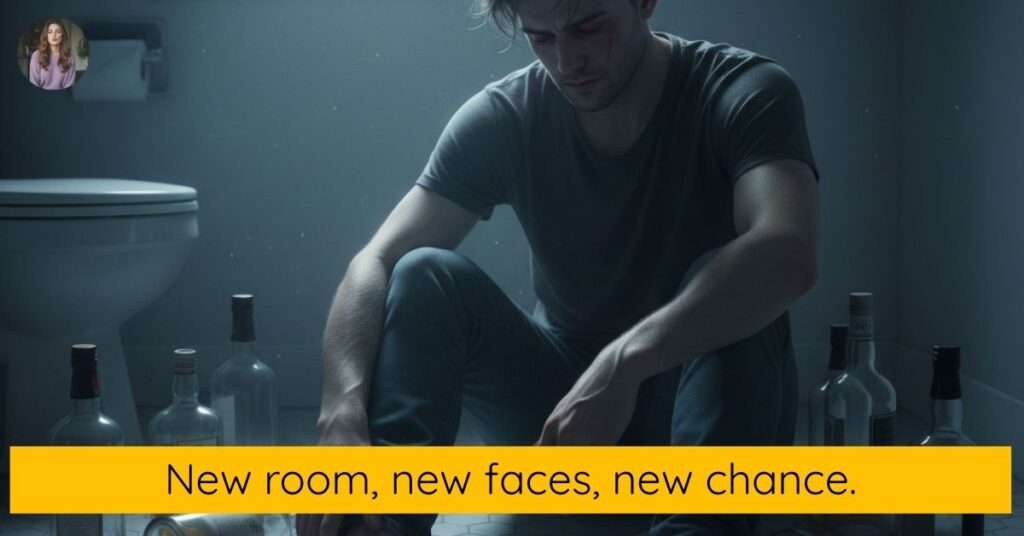
I remember the moment like it was yesterday: you dragged yourself off the bathroom floor at dawn, sick to your stomach, your phone silent because you couldn’t bear to face the texts and calls from friends and family.
You’ve reached three days of sobriety—but the hangover from your last blackout still feels like a shadow over every moment. You’re 26 M, you’ve repeatedly pushed people away—friends, family, exes—because your drinking didn’t stop at one or two.
It went to the extreme: a case of beer or a handle of liquor, blackout after blackout. Now you live alone in a new city, don’t know anyone nearby, and the dread of repeating the same self-destructive loop makes you anxious about trusting, let alone building new relationships.
What you’re going through is heavy—and, as a relationships expert, I want you to know you’re not alone, you’re not beyond hope, and you can rebuild the connections you’ve lost.
The Impact of Alcohol on Relationships
Your story is a stark mirror of what happens when alcohol becomes the driver rather than a choice. According to Drinkaware, 24% of drinkers say they find it difficult to resist a drink if their partner is drinking—and that number climbed to 45% during lockdowns.
What this tells us is that drinking often doesn’t sit in isolation—it affects the relational context around you.
Meanwhile, the American Addiction Centers explains that alcohol misuse doesn’t just affect the individual—it disrupts work, home life, social networks. It warps priorities, shrinks emotional availability, and eventually causes loved ones to distance themselves.
One study found that among families of people with alcohol dependence, 65% reported impaired interpersonal relationships.
Broken phones, silent texts, friends who’ve stopped trying—that’s what happens when the substance becomes the focus instead of the relationship.
When you say “every single time I am drunk, I make a fool out of myself,” you’re describing the buildup of trust-erosion, of relational debt.
And when you live alone and don’t know people nearby—there’s the isolation trap, which only fuels drinking and makes reaching out harder.

Why This Matters: Fixing Relationship Damage
What you want is to fix your relationships. And that means rebuilding from the damage done. Let’s break down how alcohol does relational harm and what we can do:
1. Trust and Reliability
When you blackout or fight drunk, others see that you aren’t safe to rely on in vulnerable moments. That leaves emotional scars. The research backs this: alcohol misuse is “one of the leading causes of marital problems, divorce, domestic violence, child-neglect and strained relationships.”
Solution: Show up sober, even in small ways: responding to texts, being consistent, apologising when needed. Reliability builds trust.
2. Emotional Availability and Presence
When drink becomes the escape, you end up absent—from conversations, from vulnerability, from connection. Alcohol changes mood and lowers inhibitions, making anger, irritability or withdrawal far more likely.
Solution: Commit to presence. Even if just for 10 minutes a day, intentionally connect without drink, listen, share. Practice showing up clean.
3. Social Isolation and Fear of New Relationships
You moved; you don’t know anyone locally; you fear making new friends because of the drinking pattern. That’s a classic cycle: isolation leads to drinking, leads to more isolation. Research on alcohol and young adult social context shows how environment and loneliness contribute.
Solution: Create structured social contact—sober meetups, interest groups, volunteering—so you rebuild social confidence without drink as the centre.
4. Repairing The Damage
You say “everyone in my life” has been affected. So rebuilding means reaching out to friends/family and acknowledging the hurt. The important part: not just saying “I’m sorry I drank too much,” but “I’m changing, and I want to rebuild our relationship.”
Solution: Step one: pick 1-2 people you want back. Reach out sober, say what happened, ask for a chance to rebuild. Keep expectations humble—trust takes time.
How the 8 Week Alcohol-Free Empowerment Program Can Help
Enter the 8 Week Alcohol‑Free Empowerment Program—a structured guide designed to empower mostly females who want to fix relationship problems, but the principles are relevant to you too. As a relationships expert, I suggest how you could adapt its framework:
- Week 1–2: Awareness & Commitment
You’ve already made the decision: you know you need to quit altogether. Use these early weeks to track drinking triggers, build a sobriety mindset, write down how your drinking has hurt your relationships. - Week 3–5: Relationship Repair Focus
These weeks emphasise reconnecting with those you’ve hurt, building sober relational patterns, practicing honesty, vulnerability, and accountability.
For you: write letters (or messages) to people you’ve pushed away, ask for a meeting (in person or online), be transparent about what you’re doing to change. - Week 6–8: Forward-Building & Social Re-Integration
The later part of the program supports building healthier social networks, engaging in meaningful activities, creating sober connection rituals.
For you: join a community group, explore new friendships locally, set up regular sober meets with new friends or peers.
By following this framework (even if informally or self-guided), you can turn the journey of sobriety into a relationship-healing mission—not just for you, but for your connections.
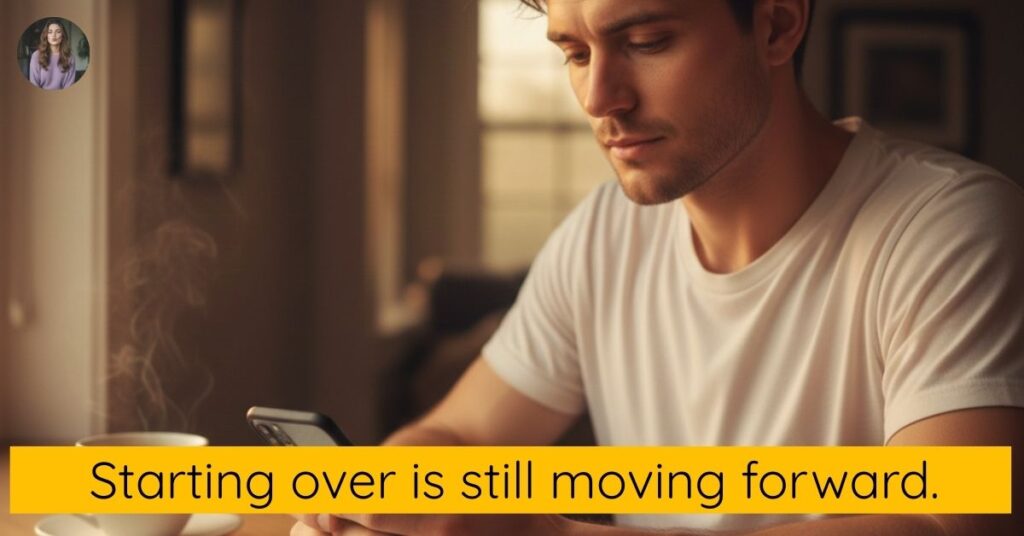
Tailored Advice for You
Given your specific story:
- You’ve had multiple blackout episodes, turned phone off for days—first priority: get safe and stable in your sobriety. Blackouts are dangerous physically and relationally.
- You’ve lived alone and relocated—this is a chance to rebuild your social life with new, sober-aligned friends.
- You worry about making new friends because of your drinking history—so lean into risk-managed social settings: interest-based groups, sports, volunteering, or sober-friendly meetups.
- Recognise: The same patterns (drink to escape boredom) need replacing with healthier routines: exercise, hobbies, call a friend, attend a support group.
- Make relational amends: Reach out to key people, admit the harm, ask for a small step of trust back—not overnight full forgiveness but “let’s have coffee and talk.”
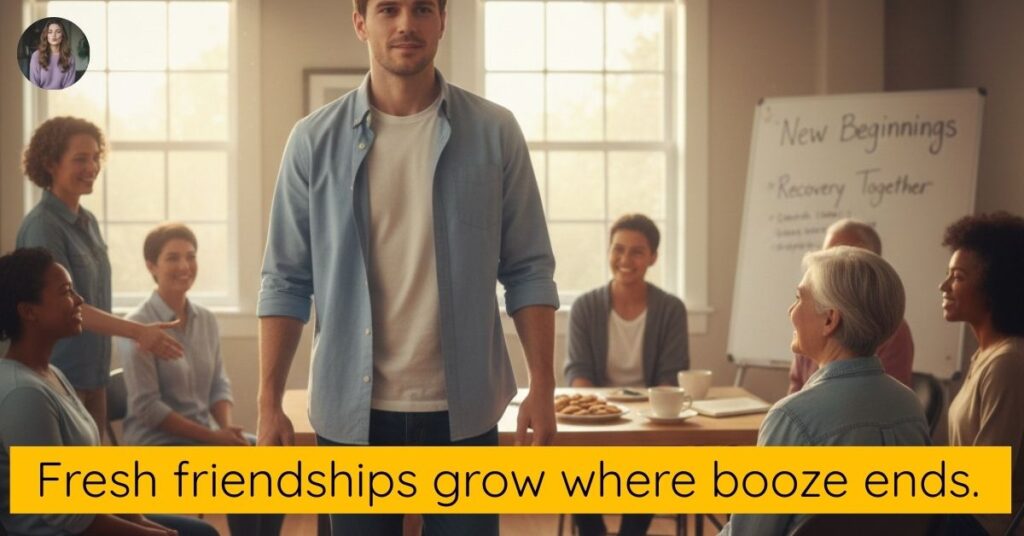
Conclusion
Your acknowledgment—“I know I need to quit altogether now”—is the turning point. As a relationships expert, I suggest you view your sobriety not only as a health decision, but as a relationship restoration project.
With the right structure (such as the 8 Week Alcohol-Free Empowerment Program) and sincere effort, you can rebuild trust, repair bonds, and create new meaningful connections built on authenticity and presence.
It won’t happen overnight, but every sober day is a relational deposit. Are you ready to make that deposit and reclaim your relationships for good?
Read Also: Should I end a relationship with a functioning alcoholic? Is There a Future Here?