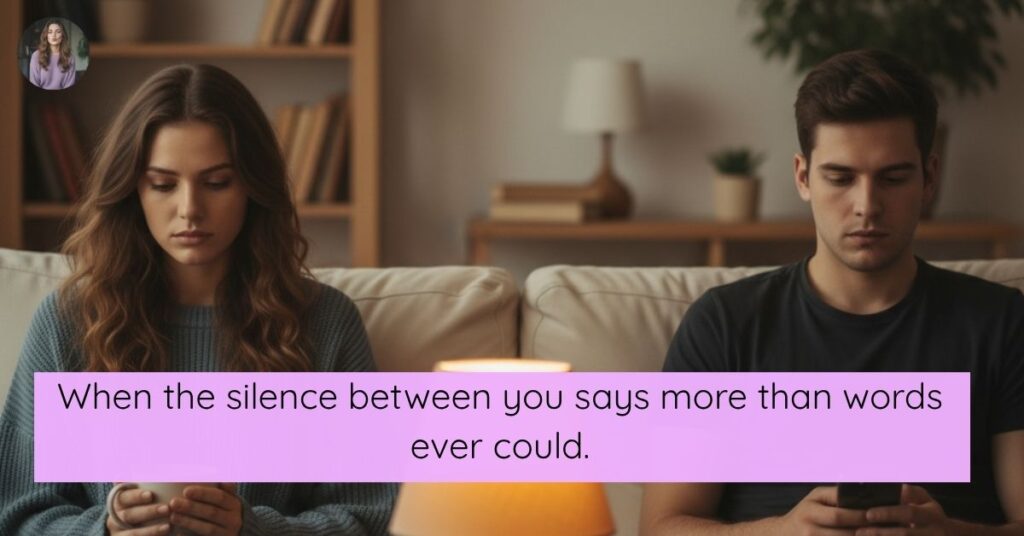
I remember sitting across from her, notebook in hand, as she whispered, “I feel like my relationship is coming to a dead end.”
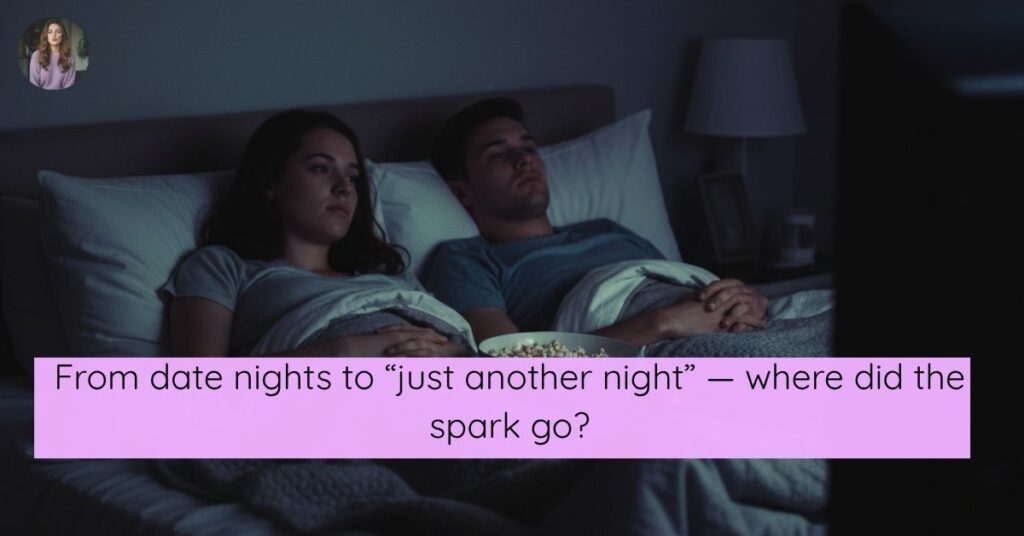
At just 21, after only six months of officially dating (but almost a year of talking), she and her 23-year-old partner found themselves in a place many young women silently endure: the spark that once lit their world together is dimming, date nights fade into movie-marauders on the couch, meaningful conversations vanish in the noise of long working hours, and the version of him she fell for seems like a memory.
As a relationship expert, I’ve seen this scenario play out more often than you might think—and there are actionable steps you can take to steer the ship back on course.
Unpacking the situation
You and your boyfriend are both strong-willed, independent people, which initially created the magnetic “he’s perfect” energy.
But now you’re finding yourself unhappy, unappreciated, and wondering, “What if this pattern repeats for the next 10 years?” These questions are deeply valid.
Here are some relevant research findings to give context:
- Studies show that the more time a relationship goes on, the more likely satisfaction and sexual frequency are to decline—even in young dating couples.
- A diary-study found that when intimacy stops growing, passion tends to drop too.
- Research suggests that the “honeymoon” phase of desire often spans 1 to 2½ years, after which passion can fade unless effort is made to refresh it.
In your case: you’re living separately, see each other only once or twice a week, and he comes home from a physically demanding job and goes to bed early.
All of these factors can contribute to what the research calls a “descent” phase in relationship quality.

Why you might feel the way you do
Here are the dynamics I’m seeing:
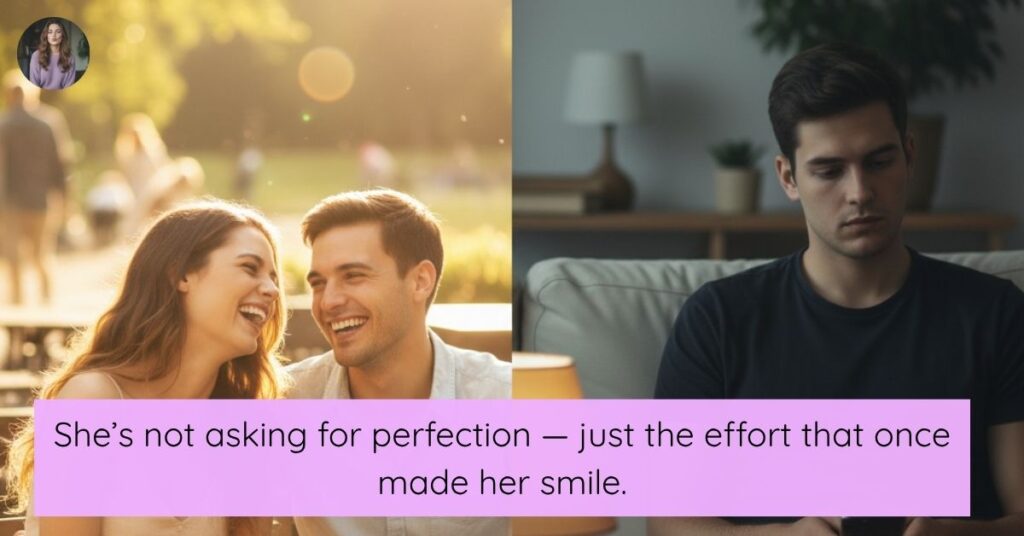
- Effort has diminished. He used to plan special dates, you used to feel prioritized and seen. Now hanging out means lying in bed watching something—and you’re craving more.
- Mismatch in needs and expectations. You used to feel romance, you want romance; he’s telling you he’s too busy (especially with work) and you’re thinking ahead—what about future decades when work demands increase?
- Clash of personalities. Independent, strong-minded people often butt heads not because they’re wrong, but because they want similar autonomy and direction—but unless both recognize and adapt to that, conflict rises.
- Routine over variety. The novelty you once shared is gone. And as the intimacy-change model indicates: when intimacy (emotional closeness, new shared experiences) stops increasing, passion suffers.
How to turn things around (especially if you’re a woman wanting to fix your relationship problems)
As someone working with lots of women in exactly this place, here’s what I suggest:
- Re-open the conversation—but differently.
Instead of “You aren’t putting in effort,” try: “I’ve noticed I feel less connected lately; can we talk about how to recreate the kind of us we had when we first started?” Frame it as a shared project, not a blame game. - Create micro-moments of investment.
Since your partner works long hours and you see each other only occasionally, the quality of time counts more than quantity. Suggest a short ritual: even a 15-minute “what’s one thing you appreciated today” talk before bed, or a planned monthly “date” that isn’t Netflix on auto-play. Because passion thrives when intimacy grows, and intimacy grows when you keep discovering each other. - Add novelty to the routine.
Since you’ve recognized the pattern (movie → bed → less talk), inject something new: a surprise life-experience (even small), a themed evening, or doing something different together. Research says novelty helps keep desire alive. - Balance independence and togetherness.
You both are independent—use that as strength. Encourage him to have fulfilling work and downtime; encourage yourself to pursue your own passions. Then purposely plan “we time” that isn’t distracted by work or screens. That way you’re not pulling each other into imbalance, you’re meeting as two full people choosing to connect. - Consider a structured guidance program.
If you’re serious about making change, something like the program I often recommend—the The Devotion System—can provide guided steps for women wanting to fix relationship problems, rebuild emotional connection, and reignite attraction. Use it as a tool alongside your open communication.
What this means for your upcoming decisions
Yes—you deserve better. You’re right to ask, “What about when things change in 10 years?”
But before you decide to walk away, it’s worth asking: are you walking because the relationship is unfixable, or because you’re stuck in the current pattern and haven’t yet seen the proactive effort?
If your partner is willing to engage, you could redirect course. If he continues with the same pattern and you continue to feel unseen, your fear about future unhappiness may prove wise.
Thinking ahead is smart—but don’t let the fear of “what if” paralyze you from acting on “what is.”

Conclusion
In your journey from “we’ve been talking since December” to “I feel we’re growing apart,” you’re actually in a very common phase of early adult relationships: the excitement past, the comfort here, but the spark missing.
As a relationship expert, I suggest: talk openly, create new rituals, keep discovering each other, and use a supportive framework if you want structured help.
The key question isn’t whether you deserve better—you do. The key question is: can you build better together?
You May Also Read Another Related Article: How to Tell Your Husband You’re Uncomfortable With His Female Colleague – Without Starting a Fight