
You’re sitting alone in the car, clutching your phone, tears of relief, anxiety, and tiredness.
After a decade of loving, building, hoping, and finally seeing your rainbow baby on the ultrasound, the person you trusted the most—the man you’ve known for twenty years and married for ten—looms with wrath, unpredictability, and words that pierce and shatter more than you could have imagined.
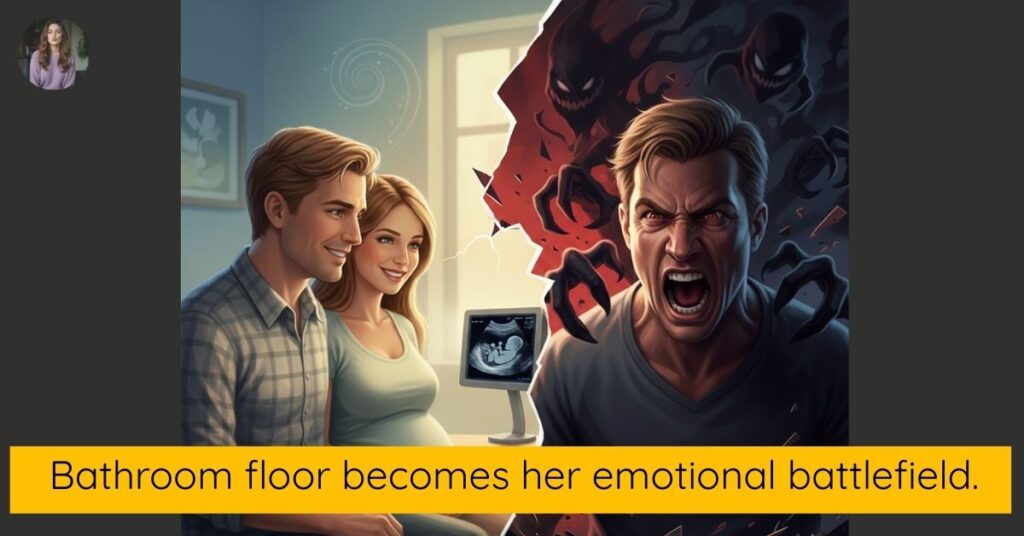
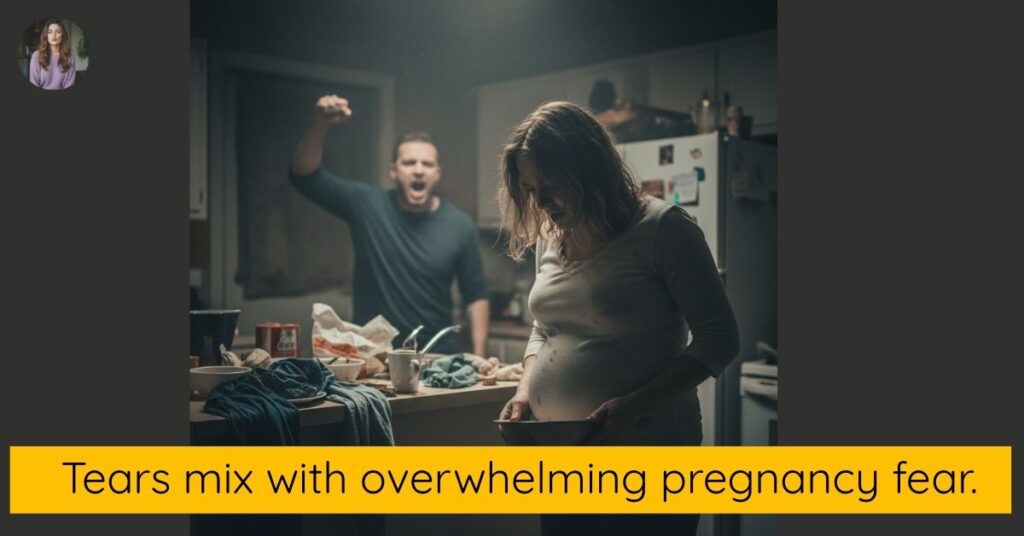
He alternates between the nice man you remember (smoothing your prenatal smoothies, giggling at your scans) and the man who storms the house, yells at you for resting, says he wishes you die at childbirth, and sounds an alarm in your head that something has changed.
You’re pregnant, vulnerable, experiencing morning sickness, and isolated.
And you ask yourself: is this the real him? Or has the fear of becoming a father and the weight of his childhood trauma suddenly become a monster he can’t contain?
I speak to you not just as someone who studies relationships—but as a relationship expert who deeply understands that what you’re going through is not you, it’s the dynamic. And yes, you’re right to ask for help. You deserve to feel safe—emotionally, physically, spiritually—especially now when you’re carrying life.
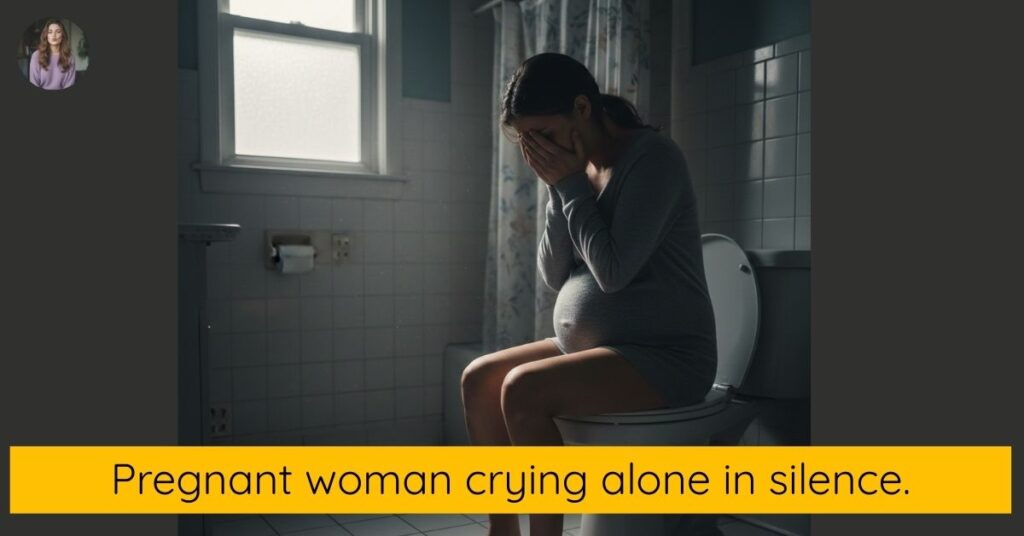
The reality of what you’re facing
When a partner repeatedly directs hate, rage, demeaning talk at you and the unborn baby, this is intimate partner violence (IPV) in a form that is deeply damaging. Here are some hard facts:
- In India, around 31.9% of women aged 18-49 report experiencing some form of domestic violence (physical, sexual, or emotional) from a partner.
- Among married women, around 29.3% reported domestic/sexual violence; and among pregnant women aged 18-49, about 3.1% reported physical violence during pregnancy.
- Another study in India found that violence during pregnancy—especially psychological violence—affected about 22.2% of antenatal women in one sample.
- In the state of Bihar (where you are), one study found that about 43% of married women reported physical/sexual violence by their husband in the past year—a perinatal period for many.
- Importantly: this isn’t just “relationship tension.” The effects of IPV during pregnancy include increased risks of miscarriage, stillbirth, maternal complications, lower Apgar scores for babies, preterm labour.
What you’re experiencing—emotional abuse, threats, unpredictable rage, being isolated—is absolutely serious.
Why this matters to you, especially now
- Your unborn child’s wellbeing. The emotional environment in the womb matters. The baby senses fear, stress, tension. You mentioned you worry about “the child being hurt or traumatized.” That worry is valid.
- Your health and safety. You are carrying life. You deserve to be supported, valued, safe. If you’re on the verge of panic, you are signalling to yourself (and the universe) that this is too much—and it must be addressed.
- This isn’t just hormones or pregnancy mood swings. While hormones complicate things, repeated threats (“I hope you die”, “you’re worthless”), unpredictable rage, shifting demeanour: these are red flags of controlling, emotionally abusive behaviour—not just stress from becoming a father.
- Loneliness makes it worse. You said: “No safe family, no nearby shelter. No friends. I’m quite literally all alone without him.” Isolation is exactly what abusers rely on. You deserve community, safe connections, help.
- There is hope. You mentioned he has stabilized, finished school and loves his new career. That suggests capacity for growth. But capacity for growth doesn’t excuse an unsafe environment for you or your baby. And growth usually happens with acknowledgement, structure, help.
As a relationship expert I suggest you the following solution path
- Validate yourself first. What you’re feeling is real. You’re not overreacting. You’re pregnant, ill, carrying a baby—and being emotionally battered. That’s too much.
- Seek immediate safety plan. Even if you don’t want the police or a shelter right now, document what’s happening: when the rage happens, what is said, how you feel, any physical proximity. Consider friends, helplines, maternal health services—you do not have to stay alone in that car of panic.
- Engage support for him and for the relationship. If you are willing to try to save this relationship, then structured help is essential: therapy for him (given his childhood, his mental health, his new fatherhood fears), couples counselling, and structured guidance for you both.
- Focus on your voice and boundaries. Your baby, you and your health matter. If he says “you’re worthless” or threatens, you must decide what your boundary is. Boundaries help him see you mean business.
- Introduce a positive structured process. This is where a resource like the The Devotion System comes in. It’s designed (in many accounts) to help women in your exact position—most often women, dealing with relationship breakdowns—understand partner psychology, rebuild connection (if safe), and re-establish mutual respect. Through guided steps, you can frame what you want from him, what you will no longer accept, and where you both go from here. Use it if you feel ready—not as a substitute for safety or professional care—but as a structured support.
- For you: self-care without guilt. Prenatal health means rest, nutrition, peace. He may rage at you for resting or being sick—but you deserve rest. The “house must be perfect” argument is a projection of his own inner chaos, not your value. Your baby’s health, your health, your mental state—they all matter.
- If it remains unsafe: Plan an exit. You said you have nothing if you leave. Let’s make that a plan instead of staying stuck. Social services, local women’s helplines, NGOs, hospital social workers—they can help you plan financially, logistically, even for later. You are not ‘overreacting’ if you recognise you’re in a toxic, dangerous environment.
What this looks like when you feel hope
Imagine you wake up and he comes home from work—but instead of rage, he asks how you’re feeling. You say your body is tired though you got some rest.
He kneels down, asks: “What can I do for you?” You say: “Could you please look at the leak and get someone this week while I nap?” He does that.
He notices instead of rages. You feel seen. You relax your shoulders. Your baby senses peace. You cry tears of relief. That’s possible—but it requires change.
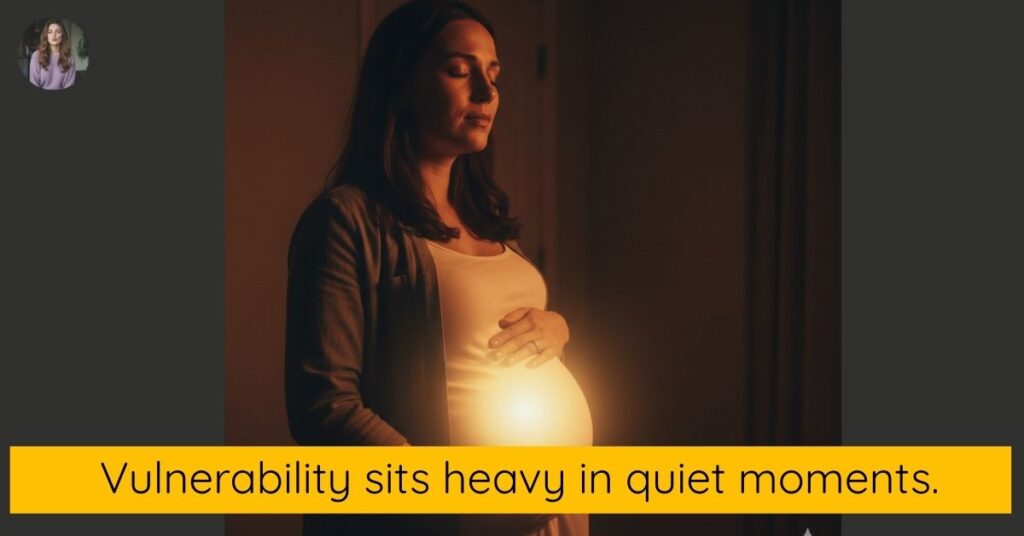
Final thoughts & wrap-up
You are pregnant with a miracle child after years of waiting. You remember love in your marriage—20 years of knowing him, 10 years of building life together. That matters.
But what you’re facing now is not the “nice guy with a rough childhood” story; it’s the “partner in rage, uncontrolled, unsafe” story. And you, as a woman, as a future mother, deserve better.
You deserve safety, respect, calm, hope.
Use the space you have to rebuild—or to decide a different path. The Devotion System can be a tool in your toolkit: one structured approach among many.
But the foundation is you reclaiming your voice, setting boundaries, protecting you and the baby. Ask for help. Connect to safe people. Document what’s happening. Don’t stay in the car of tears.
Read Also: How Alcohol Quietly Destroys Love — and How You Can Rebuild It Sober